
Your Angular app is several versions behind and hard to upgrade.
Upgrade in steps.
We move it version by version, fixing what breaks, without stopping feature work.
i-mve, E2P+SEND, COMPASS, Sharewear, TeckNow, Rezi24 and our own products all use Angular. Its structure is why these apps are still easy to change years after launch.
Angular is our default front end for business software and SaaS.
What people usually need when they search for Angular help.
Your Angular app is several versions behind and hard to upgrade.
We move it version by version, fixing what breaks, without stopping feature work.
You need a business app with many roles and screens.
Modules, shared components and permissions set up the way our long-running products are.
The app is slow on big tables and dashboards.
Change detection, lazy loading and virtual scrolling where the data is heavy.
You need Angular developers on your team.
Angular engineers who join your Slack and repository.
Front ends people use every working day.
Dashboards, workflows and admin tools with roles and permissions.
i-mve, TeckNow, Rezi24.
Separate views for staff, customers and families.
COMPASS and E2P+SEND.
Old Angular versions brought up to date step by step.
Shared components so new screens stay consistent.
We say plainly which clients we still work with.
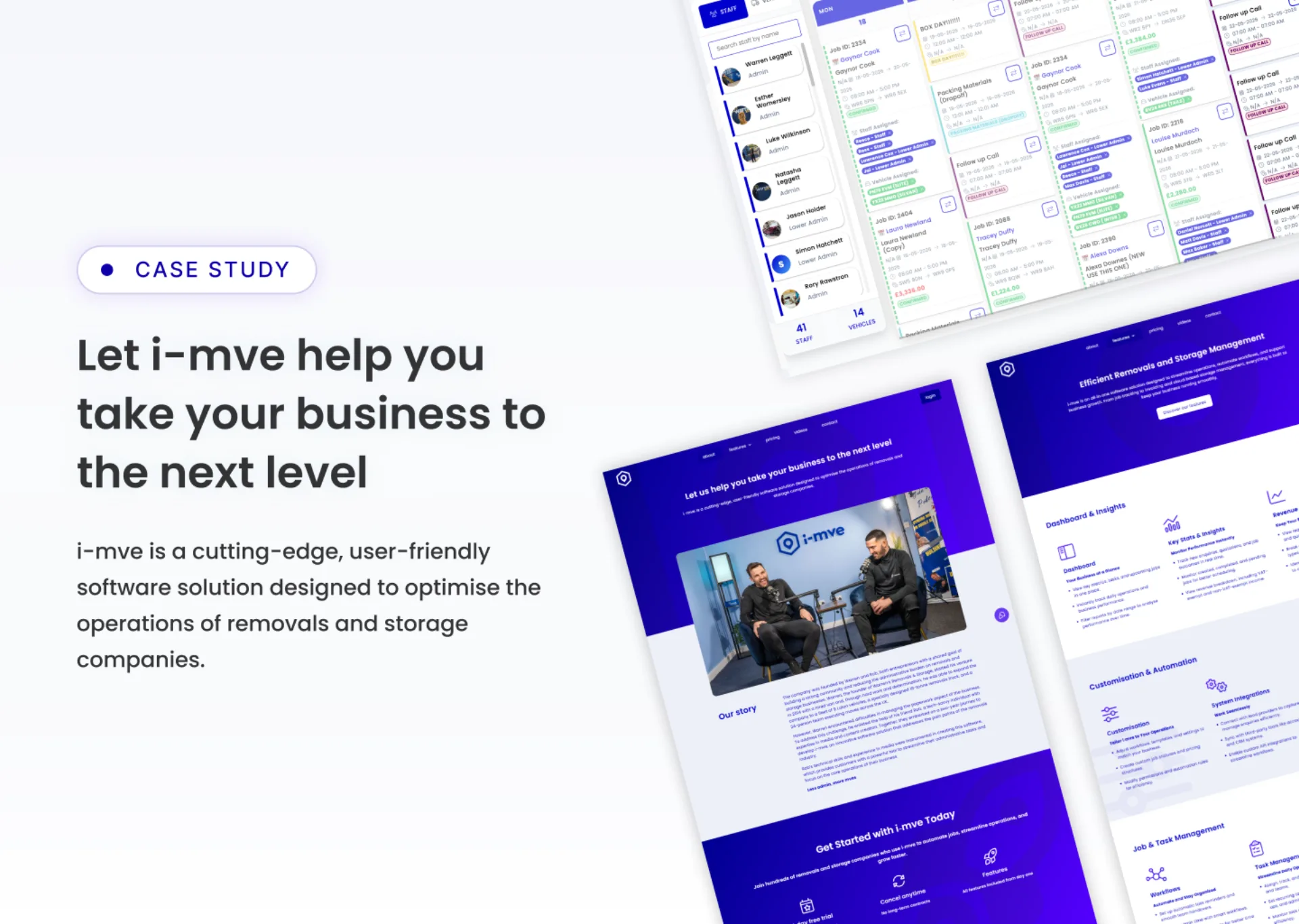
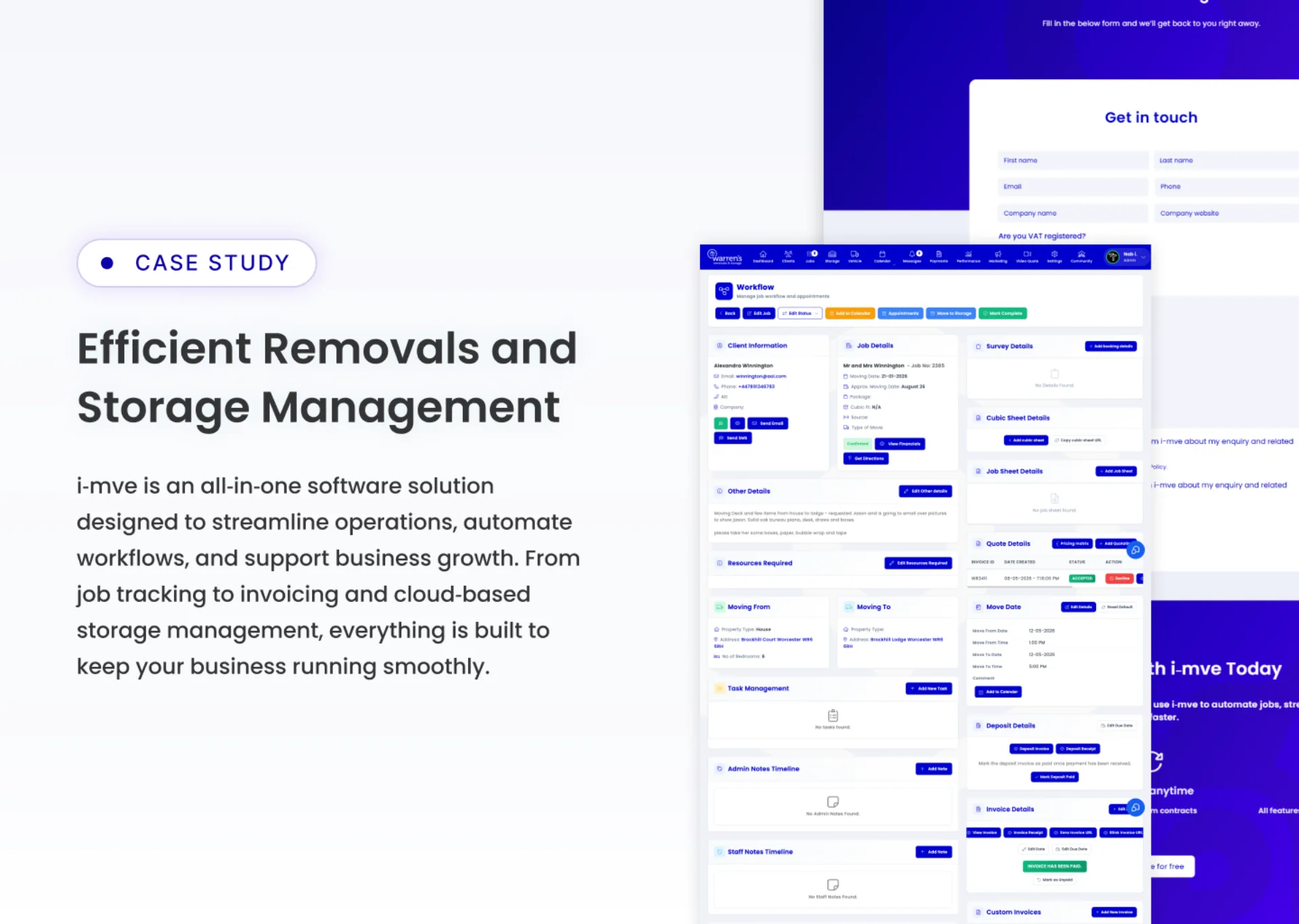
An all-in-one platform for UK removals and storage companies: enquiries, quotes, jobs, staff, invoices, storage and accounting in one place. It started as one removals firm’s system and is now sold on subscription.
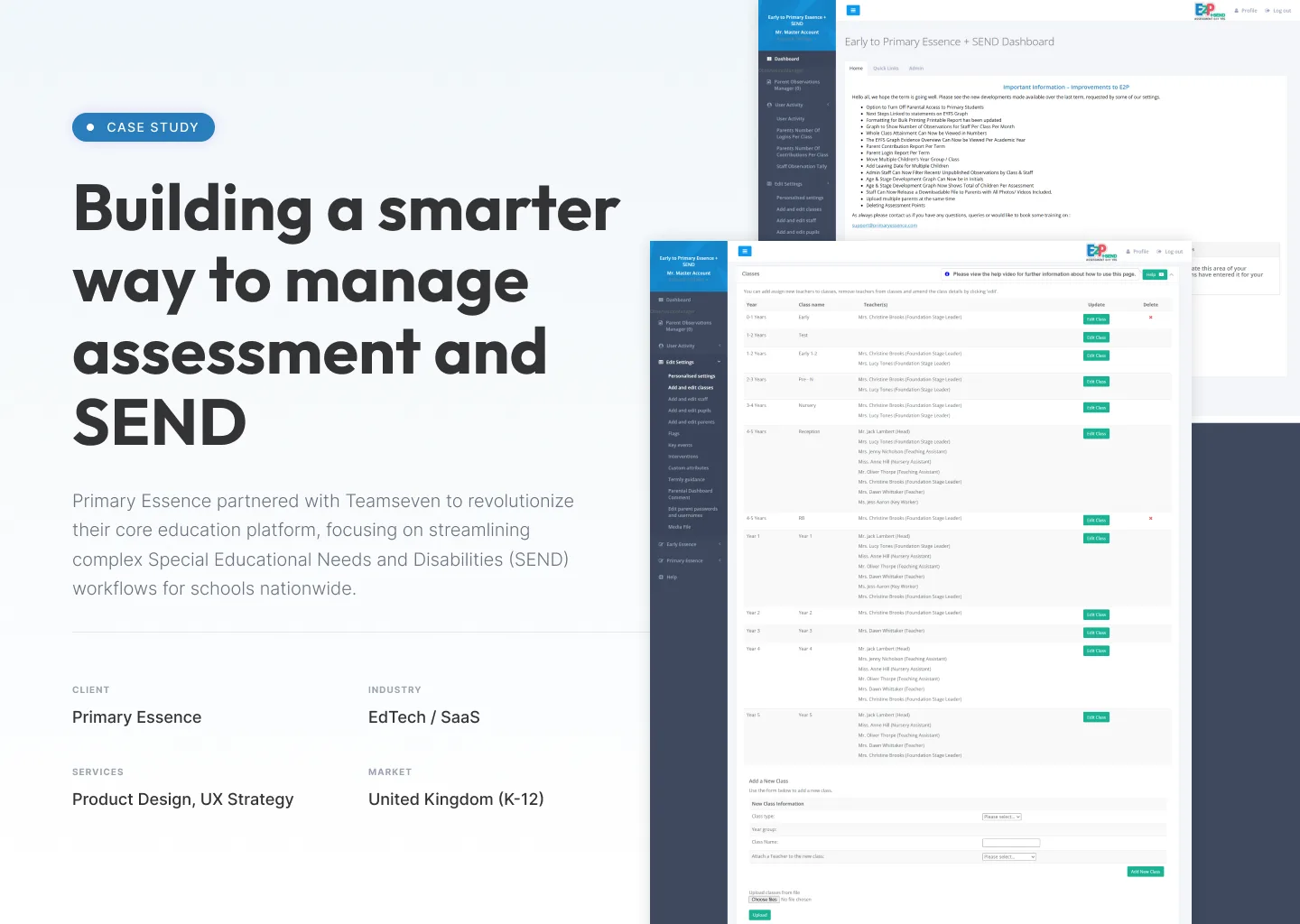
Schools track what each child learns from early years through primary, with observations, photos and SEND records that staff and parents can both see.
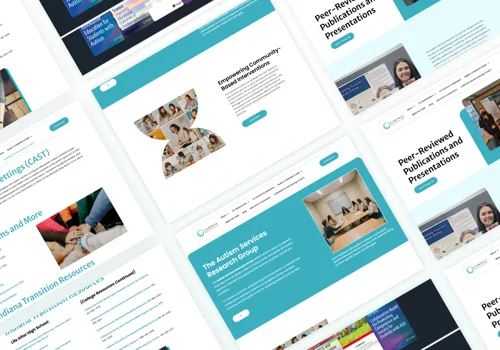
A platform for a PhD-led autism programme. Trainers, consultants, teachers and parents follow each child’s plan through surveys, consultations and coaching over a year.
The same steps on every project. You approve designs before we write code.
Bring the problem and how you handle it today. We ask questions and tell you honestly what we would build first. We won’t pitch at you.
What is in scope, what goes on the backlog, the stack we’d use and why, the timeline and one price.
A kick-off meeting, a shared Slack channel and access to the repository. Rehan is your day-to-day contact.
We design the main screens and journeys first. Nothing gets coded until you have signed the designs off.
We agree the architecture before writing code, then build with updates twice a week on Slack. Any new request is logged as extra hours and reported weekly.
Deployed to production with your Git repositories and documentation handed over. Bug fixes are free for the first two months.
It depends on scope, so we do not publish a price list. A build is a fixed quote and a developer is a monthly rate, both agreed in writing after a 30-minute call.
After the free two months, monthly maintenance is available. New features are quoted as you need them, or you can add a dedicated engineer. Book a call and we will price both.
Platform-level reviews of the agency, not cherry-picked project comments.
What I love about Team7 is that they always say: No worries, we can find a solution. This is the mindset of builders, creators, people who do not have fear, the partner you need if you want to excel.
Working with Mo and his team over the past year has been nothing short of exceptional. I was admittedly sceptical about investing such a large amount, but results exceeded every expectation.
Their responsiveness and willingness to take on our challenging task were impressive.
They are amazing and consistently exceed expectations. They go above and beyond what is asked of them and their communication is top notch, so much so that we joke that they never sleep. The best of the best.
Straight answers about Angular, cost and how we work.
Ask us something elseFor business software maintained over years, Angular’s built-in structure keeps large codebases consistent. React is a fine choice too, especially if your team already knows it. We recommend per project.
Yes. We upgrade one major version at a time, fixing breaking changes as we go, so the app keeps working throughout.
Bug fixes are free for two months. After that, monthly maintenance is available. New features are quoted as you need them, or you can add a dedicated engineer. We price both on a call.
You do. At handover you get the Git repositories and written documentation. There is nothing tying the software back to us, so you can take it to an in-house team whenever you like.
Rehan, one of our two founders, is your day-to-day contact. You get updates on Slack twice a week and can see the code in your repository at any time. We split working hours between us to cover US, UK and Australian time zones, and we usually reply within an hour, sometimes the next morning.
A 30-minute call. We’ll tell you what to build or fix first and what it costs.