Let's Connect
Home
Portfolio
Custom Enterprise Software Development

Software built around
how your business runs

Off-the-shelf software was built for the average business. If your operations are more complex than average — and they usually are — we build the platform that fits. ERP replacements, operations platforms, B2B portals, legacy system rewrites. Eight years of this, across the US, UK, and Australia.

600+Projects Delivered
8+Years Experience
99%Satisfaction Rate
What We Build

Enterprise software, defined honestly

Not a Salesforce plugin. Not a WordPress site with extra steps. Software built from scratch for the operational complexity your business actually has.

Operations Management Platforms

Job management, scheduling, dispatch, task assignment, progress tracking — built around your actual workflow. Not a generic template adapted with workarounds. A system designed for how your operations run, with the roles and rules your team needs.

Business Process Automation

Manual handoffs between teams cost more than most companies measure. We automate the high-friction points — approval workflows, document generation, status notifications, data sync between systems, and the repetitive data entry that introduces errors.

B2B Client & Partner Portals

Self-service portals for your clients, partners, or suppliers — where they can submit requests, check status, access documents, and communicate with your team. Portals that reduce support overhead and give clients the visibility they ask for in renewal conversations.

Legacy System Replacement

When an existing system has become the bottleneck — too slow to change, too expensive to maintain, too limited for how the business has grown. We've replaced heavily-modified off-the-shelf software and outdated custom applications with modern platforms that can actually evolve.

Operational Data & Reporting

When your business data lives across three systems and getting a unified view requires someone to export spreadsheets every morning — we build the platform that pulls it together. Real-time dashboards, scheduled reports, and data architecture your management team can actually use.

System Integration & Middleware

Enterprise operations run across several systems — ERP, CRM, accounting, carrier platforms. We build the integration layer that connects them, keeping data in sync without manual re-entry. We've connected Xero, QuickBooks, Sage, Stripe, and Salesforce across logistics, healthcare, and property.

How We Work

Why enterprise software projects fail — and how we avoid it

Enterprise projects fail for predictable reasons. Scope agreed before anyone understood the business. Architecture decided before requirements were clear. We fix these problems deliberately.

01

Discovery: We map what you actually do

Before architecture, before technology decisions, before a single line of code — we spend time understanding your operation. How does work enter your system? Who touches it? Where does it stall? What does the current process cost in time and errors? Most enterprise software projects fail because the people building the software didn't understand the business well enough. We fix this upfront.

02

Architecture: Decisions that are expensive to change later

Data model design, API structure, authentication approach, integration architecture, and deployment strategy are defined before development begins. Enterprise software runs your business for years — the decisions made at the start will still be load-bearing in five. We document them, explain the tradeoffs, and get your sign-off before building.

03

UX Design: For the people who actually use it, not the demo

Enterprise software has to be used by people who didn't choose it — operations staff, field teams, finance teams with no interest in learning new tools. We design for adoption, not for demos. Every screen is designed before implementation. Complex workflows are prototyped and validated with real users before code.

04

Development: Two-week sprints, real visibility

Development happens in two-week sprints. At the end of every sprint, you see a working, deployable build — not a status update. You review it, sign off, and the next sprint begins. Scope changes are documented and priced before any additional development happens. No surprises at the end of the project.

05

Launch & Ongoing: We don't disappear after go-live

Production deployment with CI/CD pipeline, documentation covering architecture, deployment process, and data model. 30-day post-launch support included. Long-term retainer engagements available — we've maintained active development relationships with clients for five to seven years. The i-mve platform has been in continuous development since 2017.

Tech stack

We match the stack to the project. The boring choice is often the right one.

Frontend
AngularReactNext.jsVue.js
Backend
Node.js.NETPythonLaravel
Database & Infra
PostgreSQLSQL ServerMongoDBRedisAWS / AzureDocker
Integrations
Xero / QuickBooksStripe / PayPalREST & GraphQLSalesforce
Pricing

What enterprise software projects cost

We don't quote without a requirements conversation, but here is an honest range.

Focused Platform
$35k – $75k

A focused system solving a specific operational problem — a job management platform, client portal, or reporting dashboard with integrations. 12–20 weeks. One primary workflow, 3–5 user roles.

  • Core module development
  • 2–3 third-party integrations
  • Role-based access control
  • UX design included
  • 30-day post-launch support
Enterprise Platform + Phased
$180k+

Large platforms replacing multiple existing systems, requiring phased delivery, data migration from legacy systems, and complex compliance requirements. Scoped and priced phase by phase.

  • Multi-phase roadmap
  • Legacy data migration
  • Compliance architecture (GDPR/HIPAA)
  • Ongoing retainer options
  • Team augmentation available
Client Work

Enterprise software we've shipped

A selection of live systems built for enterprise and institutional clients.

Enterprise Platform · Operations · Global

QRP — Enterprise Operations & Management Platform

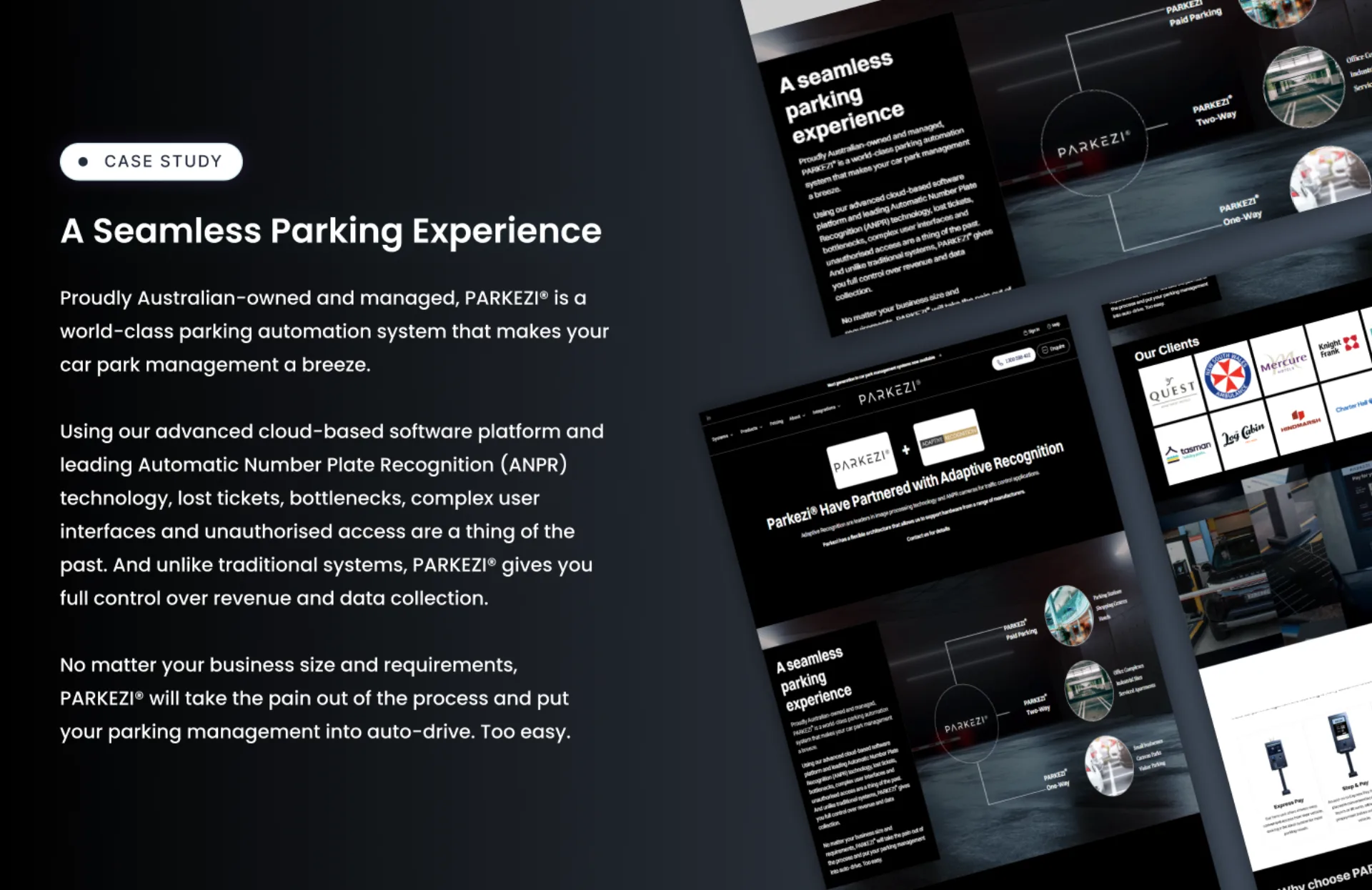
A large-scale enterprise software platform covering multi-entity operations management, reporting, and workflow automation across complex organizational structures. Built to replace a fragmented collection of tools that had become unmanageable at scale — resulting in a unified platform used across the enterprise for day-to-day operations and management reporting.

View our portfolio →
Institutional Platform · Healthcare Research · United States

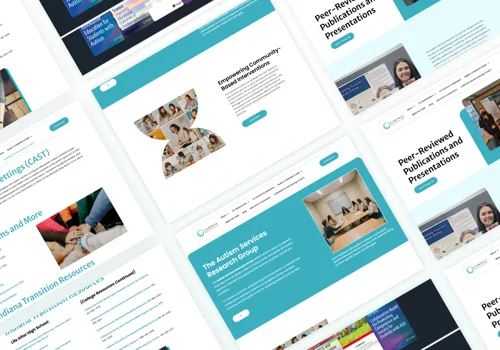
COMPASS for Autism — Clinical Research Platform, Ball State University

A multi-role clinical research platform built for Ball State University's autism services research programme. Complex role-based access covering researchers, consultants, educators, and families. Profile management, intervention tracking, research data collection, and reporting infrastructure — built to the specific requirements of clinical research at an accredited academic institution.

View live platform →
SaaS / Operations Platform · Logistics · United Kingdom

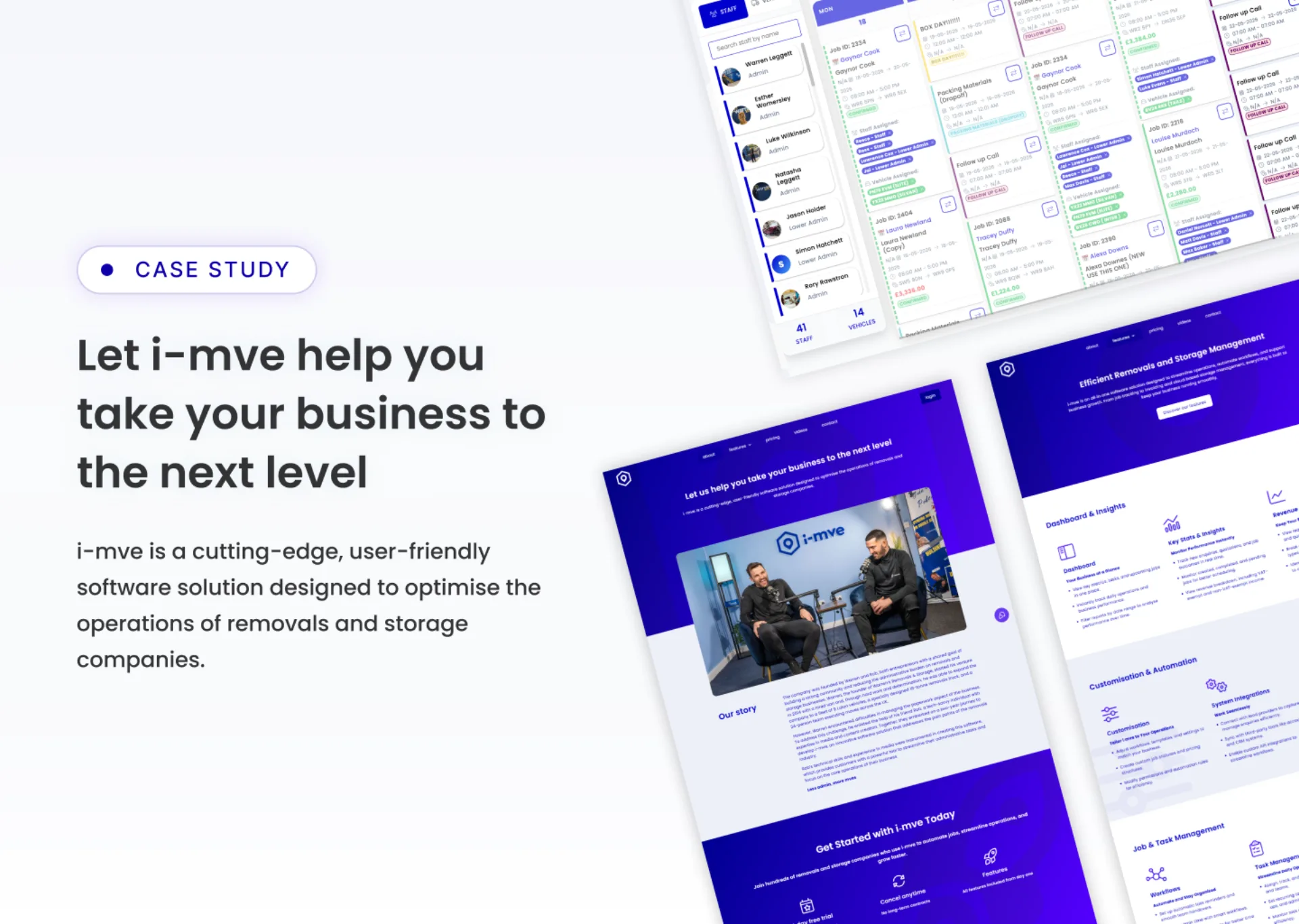
i-mve — All-in-One Operations Platform for UK Removals

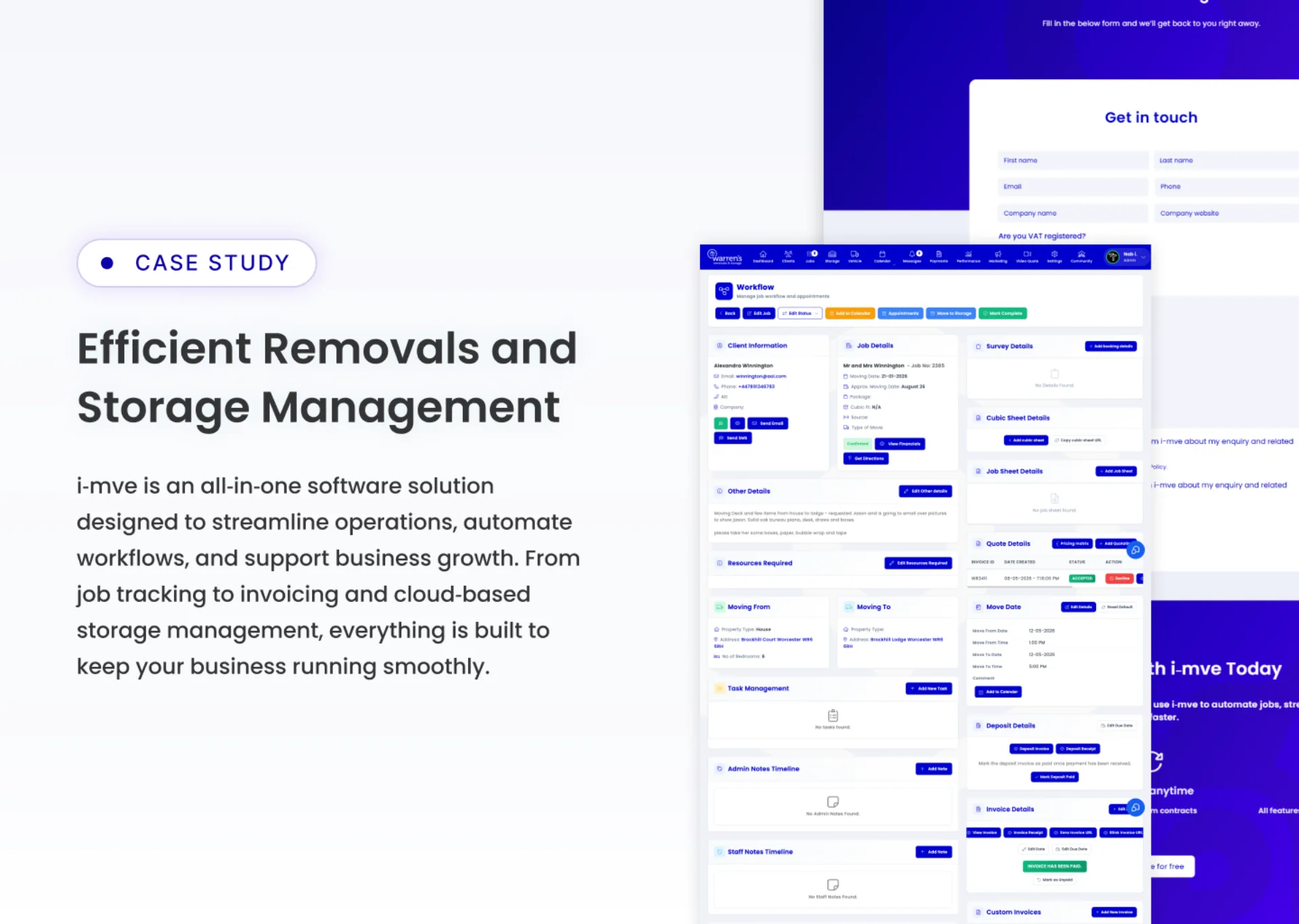
A full-featured operations platform for UK removals and storage companies. Job management, crew scheduling, automated quoting, client contracts, invoicing, and accounting integration (Xero, QuickBooks, Sage). Built from scratch — now used by hundreds of companies across the UK. Started as a focused job management tool, expanded over seven years of continued development.

View live platform →

Common questions

How long does a custom enterprise software project take?

Most enterprise software projects run 16–36 weeks depending on scope. A focused system covering one primary operational workflow — job management, client portal, or reporting dashboard — is typically 12–20 weeks. A comprehensive platform replacing multiple existing systems with several integrations is 24–36 weeks. We provide a detailed timeline estimate broken down by phase as part of the scoping process, before any development starts.

Can you integrate with our existing ERP, CRM, or accounting software?

Yes — integration with existing systems is a standard part of enterprise software projects. We've integrated with Xero, QuickBooks, Sage, Salesforce, HubSpot, Stripe, and various industry-specific platforms. Integration complexity depends on whether the system has a well-documented API, what data needs to flow in which direction, and how real-time the sync needs to be. We assess integration complexity during scoping and price it accurately — not as a vague line item to be resolved later.

Do you do discovery and scoping before development?

Yes — and we consider it non-negotiable for enterprise projects. Discovery is the phase where we map your workflows, document requirements, define the scope, and produce the functional specification that development is built against. For projects under $75k, discovery is typically one to two weeks and included in the project cost. For larger projects, we sometimes run a paid discovery sprint (typically $8k–$15k) that produces a full functional specification and architecture document before the development contract is signed.

Can you work alongside our internal development team?

Yes — we've worked as both the sole development resource and as an augmentation to an internal team. When working alongside internal developers, we align on architecture, coding standards, and process before starting. The working model — whether we own specific modules, work in shared repositories, or run a parallel track — is agreed upfront based on what's most effective for the project.

What happens after the project launches?

Every project includes a 30-day post-launch support window covering bug fixes and production issues at no additional charge. Beyond that, we offer ongoing retainer engagements for continued development — adding features, handling maintenance, and responding to operational needs as the business evolves. We've maintained active development relationships with clients for five to seven years. The i-mve platform has been in continuous development since 2017.

Do you work with UK and Australian enterprise clients?

Yes. We work with clients across the US, UK, and Australia. Most client communication happens over video call and Slack — time zones between Pakistan and the UK overlap well in the morning, and we run overlap hours with Australia in the afternoon. For UK clients, we're familiar with GDPR compliance requirements. For Australian clients, we've worked under the Australian Privacy Act and are experienced with GST invoicing for Australian entities.

START YOUR PROJECT

Ready to replace the software that's slowing you down?
Tell us what you need.

30 minutes. No slides. We'll look at your operation and tell you honestly whether we can help — and what it will cost.

Reply within 4 business hours NDA available before we talk
⭐ 5.0 · 353 reviewsFiverr Vetted Pro8 years · 600+ shipped
What happens next
  1. 01
    Book a 30-minute slotPick a time that works. No prep needed.
  2. 02
    We have a real conversationYou explain what you're building. We ask the hard questions.
  3. 03
    You get a scoped proposalFixed price. Fixed timeline. Within 48 hours — or we tell you why it's not a fit.