Your React web team wants to ship a mobile app.
Reuse the skills.
React Native lets the same developers work across web and mobile.
React Native makes sense when your team already works in React and wants to share skills with the web app. Our published mobile work used Kotlin and Ionic, and we have no React Native case study yet.
We recommend React Native when a React team wants a mobile app on the same skills.
What people usually need when they search for React Native help.
Your React web team wants to ship a mobile app.
React Native lets the same developers work across web and mobile.
You aren’t sure React Native is the right choice.
We compare it with Flutter and Ionic for your app and team.
Your React Native app needs work.
We tell you whether we are the right team before quoting.
Where React Native fits.
The mobile side of a React web product.
One API for web and mobile.
In-app payments through Stripe or the stores.
Push and in-app messages.
We have no published React Native case study yet. This is the mobile work we can point to.
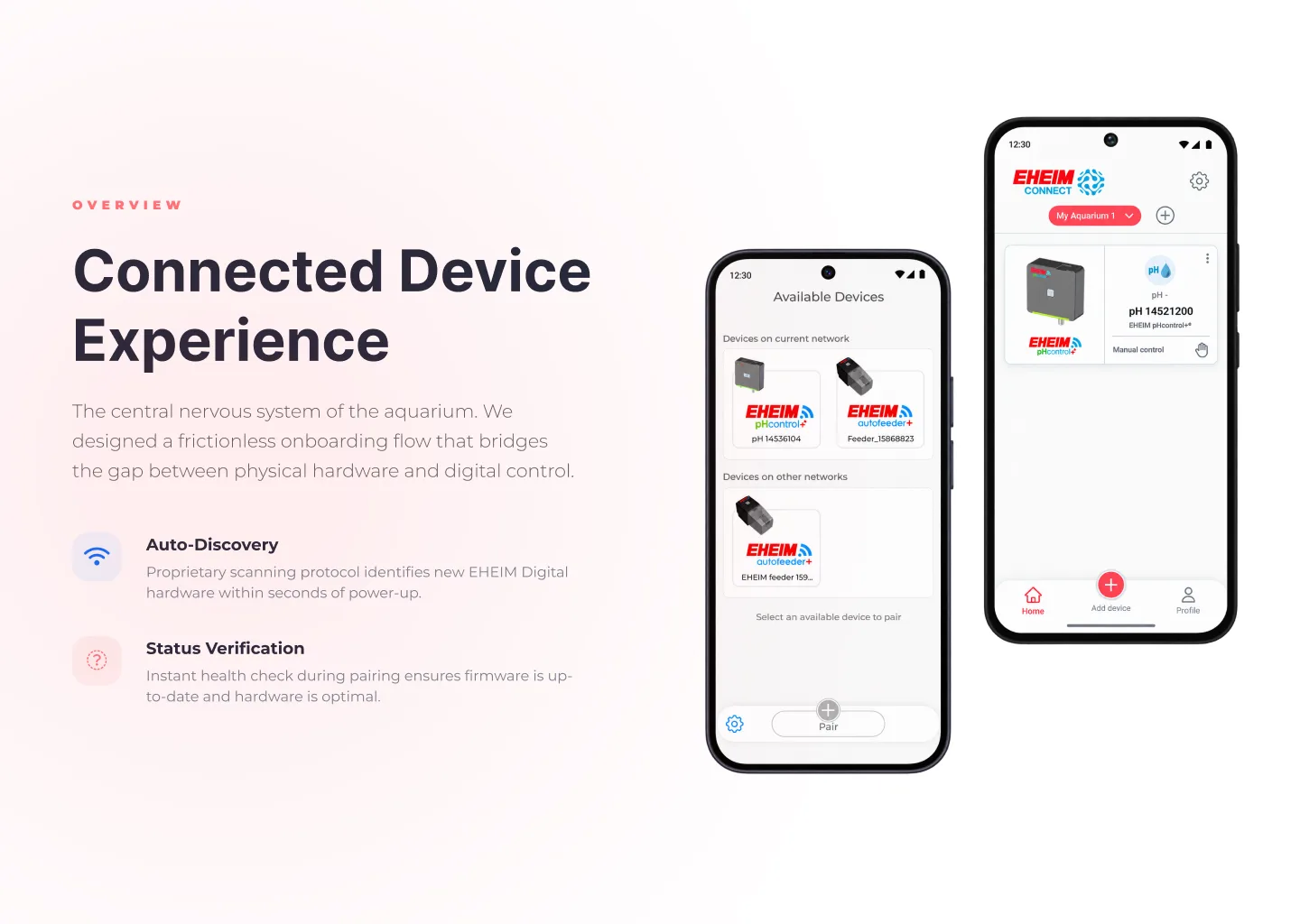
The mobile app that controls EHEIM’s connected aquarium equipment: filters, lighting, heating and feeding from one screen, tested against real devices.
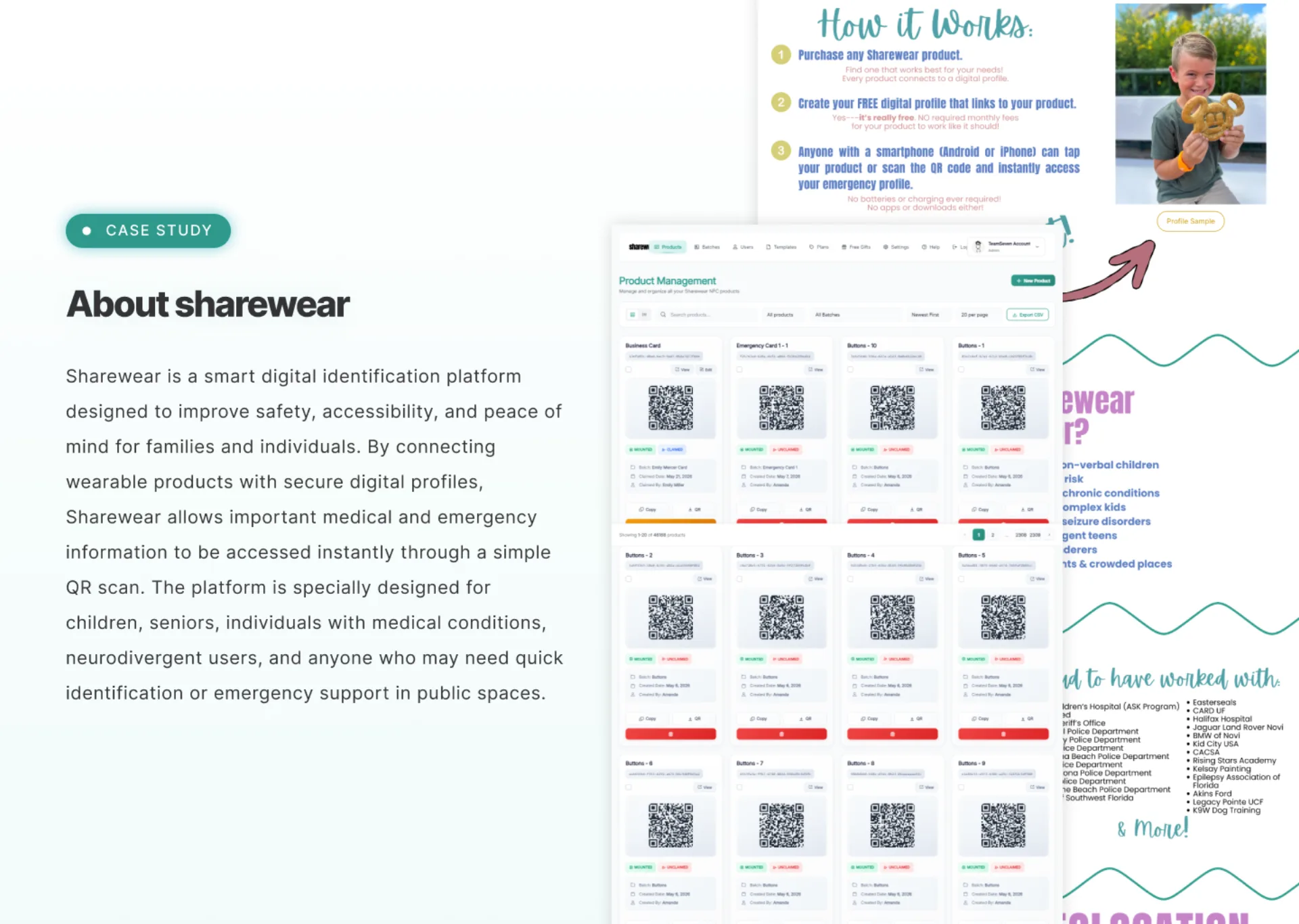
Bands, watches and rings with NFC tags that let a stranger reach family or services if the wearer is lost or hurt. We built the platform behind them from scratch.
The same steps on every project. You approve designs before we write code.
Bring the problem and how you handle it today. We ask questions and tell you honestly what we would build first. We won’t pitch at you.
What is in scope, what goes on the backlog, the stack we’d use and why, the timeline and one price.
A kick-off meeting, a shared Slack channel and access to the repository. Rehan is your day-to-day contact.
We design the main screens and journeys first. Nothing gets coded until you have signed the designs off.
We agree the architecture before writing code, then build with updates twice a week on Slack. Any new request is logged as extra hours and reported weekly.
Deployed to production with your Git repositories and documentation handed over. Bug fixes are free for the first two months.
It depends on scope, so we do not publish a price list. A build is a fixed quote and a developer is a monthly rate, both agreed in writing after a 30-minute call.
After the free two months, monthly maintenance is available. New features are quoted as you need them, or you can add a dedicated engineer. Book a call and we will price both.
Platform-level reviews of the agency, not cherry-picked project comments.
What I love about Team7 is that they always say: No worries, we can find a solution. This is the mindset of builders, creators, people who do not have fear, the partner you need if you want to excel.
Working with Mo and his team over the past year has been nothing short of exceptional. I was admittedly sceptical about investing such a large amount, but results exceeded every expectation.
Their responsiveness and willingness to take on our challenging task were impressive.
They are amazing and consistently exceed expectations. They go above and beyond what is asked of them and their communication is top notch, so much so that we joke that they never sleep. The best of the best.
Straight answers about React Native, cost and how we work.
Ask us something elseWe have no published React Native case study. Our published mobile work is EHEIM Digital Connect, built with Kotlin and Ionic. We will explain on the call how we would approach your app.
Bug fixes are free for two months. After that, monthly maintenance is available. New features are quoted as you need them, or you can add a dedicated engineer. We price both on a call.
You do. At handover you get the Git repositories and written documentation. There is nothing tying the software back to us, so you can take it to an in-house team whenever you like.
Rehan, one of our two founders, is your day-to-day contact. You get updates on Slack twice a week and can see the code in your repository at any time. We split working hours between us to cover US, UK and Australian time zones, and we usually reply within an hour, sometimes the next morning.
A 30-minute call. We’ll compare the options honestly.