AI integration development,
done properly.
Most "AI features" die in the demo stage, impressive in a pitch, unreliable in production. We build the version that ships: chosen model (OpenAI, Anthropic, Gemini, or open-source), proper error handling, cost controls, and a UX that degrades gracefully when the model gets something wrong.
AI integration that adds real value, not just novelty
We've shipped AI into products that generate revenue and reduce operational costs. These are the patterns that work in production, not the ones that look good in a pitch deck.
Document Intelligence
Extract structured data from unstructured documents: contracts, invoices, reports, forms. AI reads and understands your documents; your application gets clean, structured output.
AI Workflow Automation
Replacing manual, repetitive decision-making with AI agents. Triage, classification, routing, and first-pass processing, humans handle edge cases, AI handles the volume.
Contextual AI Assistants
AI assistants that know your product, answering user questions, suggesting actions, and explaining data in context. Built with RAG to stay accurate on your specific domain.
AI-Powered Features
Smart autocomplete, content generation, automatic categorisation, sentiment analysis, individual AI features embedded into your existing product UI without a full rebuild.
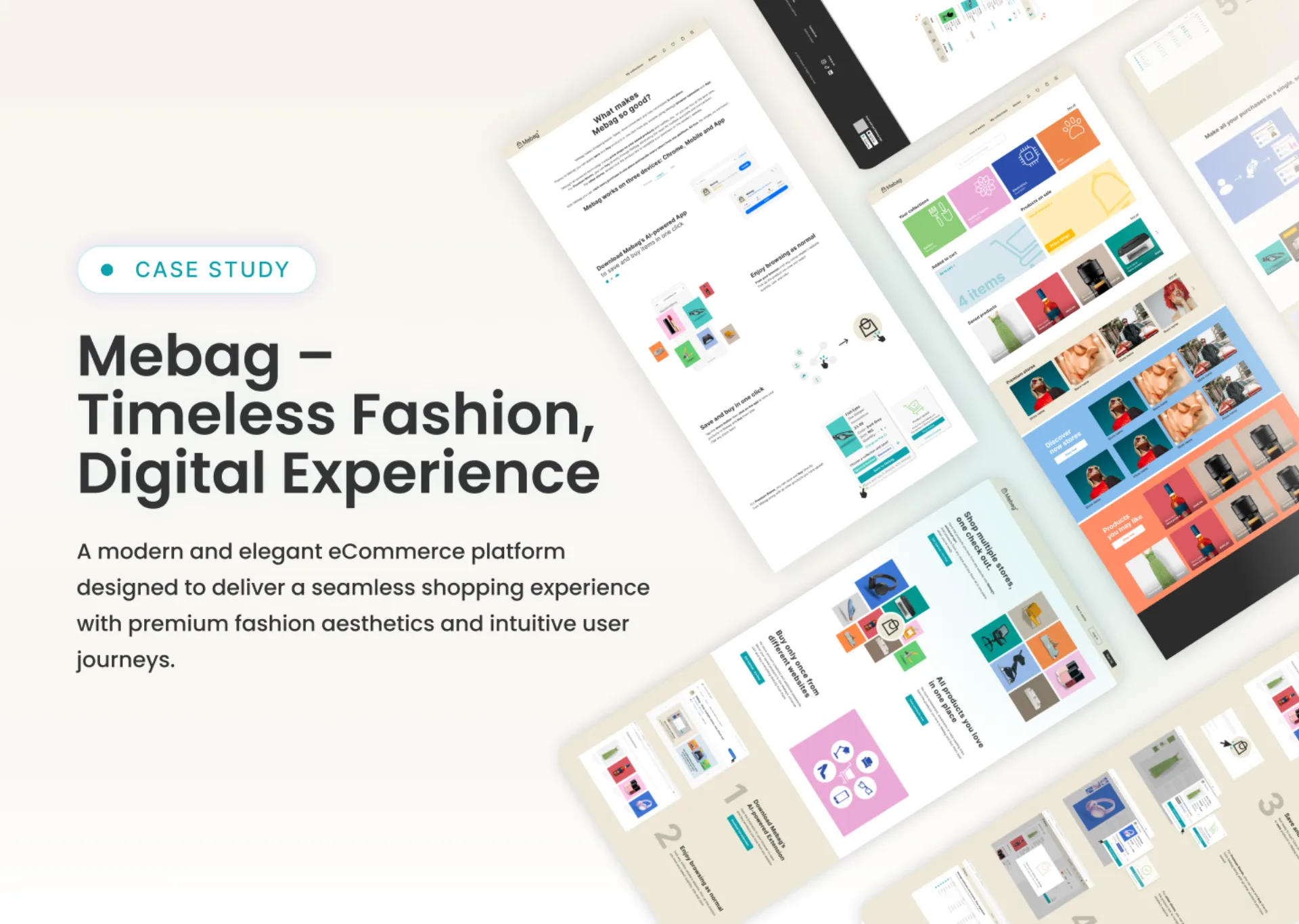
We've built Mebag and more. Here's what we've learned.
Real AI integration is a systems engineering problem. The model is 20% of the work. The other 80% is latency, cost, accuracy, and making it reliable under load.
We pick the right model for the job
GPT-4o for complex reasoning. Claude for long-context and nuanced tasks. Gemini for multimodal work. Cheaper models for classification and routing. We don't default to the most expensive option, we match the model to the task.
RAG over fine-tuning for most use cases
Fine-tuning is expensive, brittle, and hard to update. For most domain-specific use cases, a well-built RAG pipeline with quality embeddings and retrieval beats fine-tuning, and costs a fraction as much to maintain.
Evals from the start
You can't improve what you don't measure. We build evaluation datasets and automated quality checks from the beginning, so you can see when a model update breaks something before your users do.
Cost visibility and controls
AI API costs scale with usage in ways that surprise people. We build token budgeting, per-user cost tracking, model routing, and hard limits so you're never hit by an unexpected bill.
The AI stack we use in production
Models, orchestration, vector stores, caching: the full picture of what production AI integration actually involves.
When does custom AI integration make sense?
Not every AI feature needs a custom build, sometimes an off-the-shelf tool is genuinely the better answer.
Custom integration makes sense when
- The AI feature needs to use your own data and workflows
- You need it embedded in your existing product UX, not a bolted-on widget
- Cost, latency, or accuracy at your specific scale genuinely matters
Consider off-the-shelf when
- You need generic chat or customer support, many tools handle this well
- Speed to market matters more than deep product integration
- The use case doesn't depend on your proprietary data
Hire an AI Integration Developer
Skip the full build. Get a vetted AI Integration developer working inside your existing team, on your stand-ups and your roadmap.
Hire an AI Integration Developer →AI integration in production
Built by AI-native engineers, because this is what we do
AI Integration work is core to our practice, not a side offering. We ship AI into products that generate revenue and reduce operational cost, with the engineering discipline that keeps it reliable in production. It is how our own products, Tully AI and Mebag, were built.
OpenAI, Anthropic, or Gemini picked per task, with cheaper models for classification and routing.
A well-built retrieval pipeline beats fine-tuning for most domain use cases, at a fraction of the maintenance cost.
Evaluation datasets and automated quality checks so a model update cannot silently break something.
See the full picture of how we build AI. Our AI development →
Common questions about AI integration
Straight answers on stack fit, working in your codebase, cost, and how we start.
Should I build AI features or integrate an off-the-shelf tool?
Depends on the use case. For generic chat or customer support, off-the-shelf tools often work. For AI features tightly integrated with your product's domain, using your data, your workflows, your UX, custom integration is usually the right answer. We'll give you an honest opinion.
How do you handle accuracy and hallucinations?
Structured outputs and validation to ensure responses match expected formats. RAG to ground AI responses in your actual data. Confidence scoring and graceful fallbacks when confidence is low. Evaluation pipelines to detect regressions when models are updated.
Can you integrate AI into an existing product?
Yes, this is the most common engagement. We assess your existing stack, identify where AI adds genuine value (not just novelty), and integrate it in a way that fits your existing architecture. We don't force a full rebuild to add an AI feature.
How long does an AI integration project take?
A focused AI feature (chatbot, document processing, content generation): 6 to 12 weeks. A comprehensive AI-native product with multiple AI features, RAG pipelines, and evaluation infrastructure: 16 to 28 weeks. Scope depends heavily on data readiness and integration complexity.
Hire AI Integration Developers
Need AI Integration engineers embedded in your team rather than a full project handoff? Our AI Integration Developers join your existing workflow (your tools, your stand-ups, your roadmap) while we handle employment, payroll, and HR. Add one developer or a full team, scale up before a release and back down after, and keep everything they build.
Ready to add AI to your product?
We've shipped it in production. Not just demos.
Tell us what you're trying to do with AI. We'll tell you what's actually feasible, what it'll cost at scale, and what the right approach is.