Your product is live and growing, but you have no engineering team.
We become the team.
i-mve grew to 523 companies with us as its technology partner. We plan, build and ship with the founder, and the founder sets the priorities.
You set the priorities. We pick the engineers, run the work and answer for delivery. The team uses AI assistants every day, reviews what they produce, and commits everything to your repository. This is how we have worked with i-mve since 2022.
Why products move to a dedicated team.
Your product is live and growing, but you have no engineering team.
i-mve grew to 523 companies with us as its technology partner. We plan, build and ship with the founder, and the founder sets the priorities.
You do not have anyone to manage developers day to day.
With a dedicated team we own delivery. You tell us what matters this month and we handle tasks, review and releases.
Freelancers come and go, and nobody knows the codebase.
The team works only on your product, so the knowledge builds up instead of walking out the door. Our co-founders are one message away if anything is not working.
A fixed-price build does not fit a product that changes every week.
You pay for the team’s time each month and point it at whatever matters most, with updates on Slack twice a week.
Sized to your product, not to a template. The mix below is where most teams start.
Full-stack, backend, frontend or mobile engineers, matched to your technology, each working with AI assistants and reviewing what they produce.
See our AI-native engineers page.
Screens and prototypes for new features, approved by you before they are built.
Someone who owns the structure, reviews every pull request and keeps the codebase coherent as the team grows.
Brought in for the decisions that are expensive to reverse: data model, boundaries, hosting.
See the architects page.
OWASP Top 10 practices, two-factor login and encryption for sensitive data on everything we build.
Our co-founders split working hours so someone senior is available for US, UK and Australian clients.
These clients still work with us on a monthly basis.
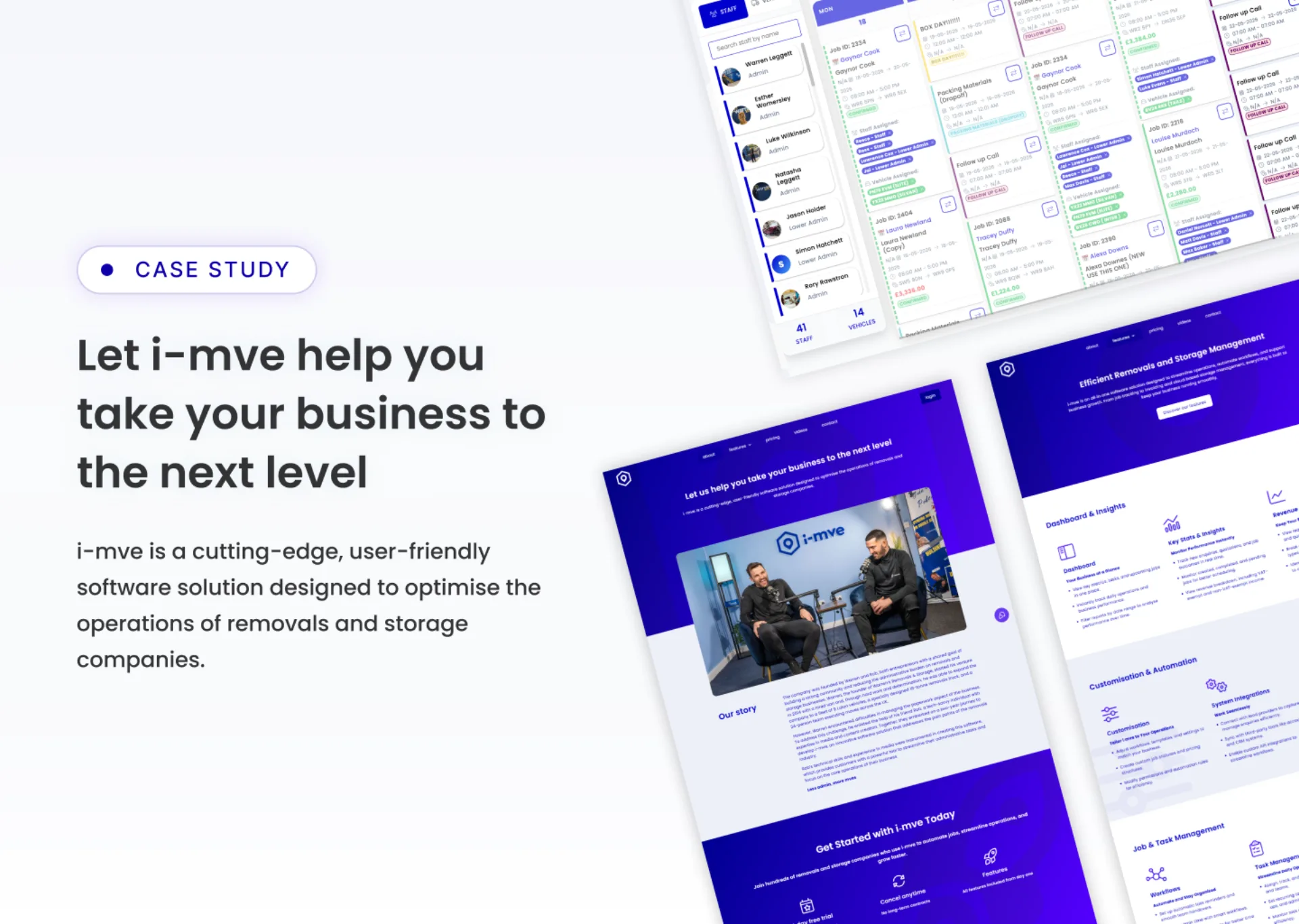
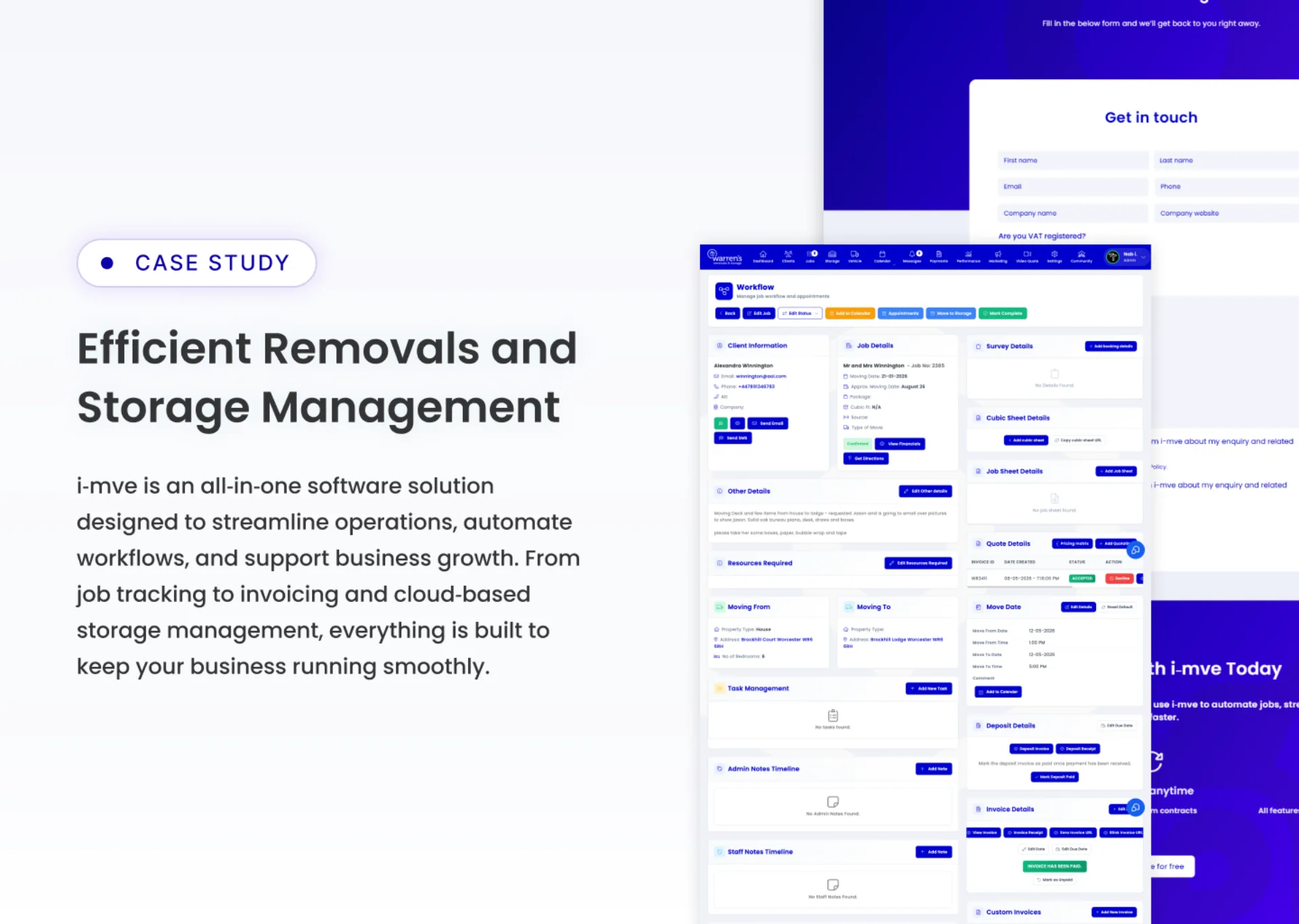
An all-in-one platform for UK removals and storage companies: enquiries, quotes, jobs, staff, invoices, storage and accounting in one place. It started as one removals firm’s system and is now sold on subscription.
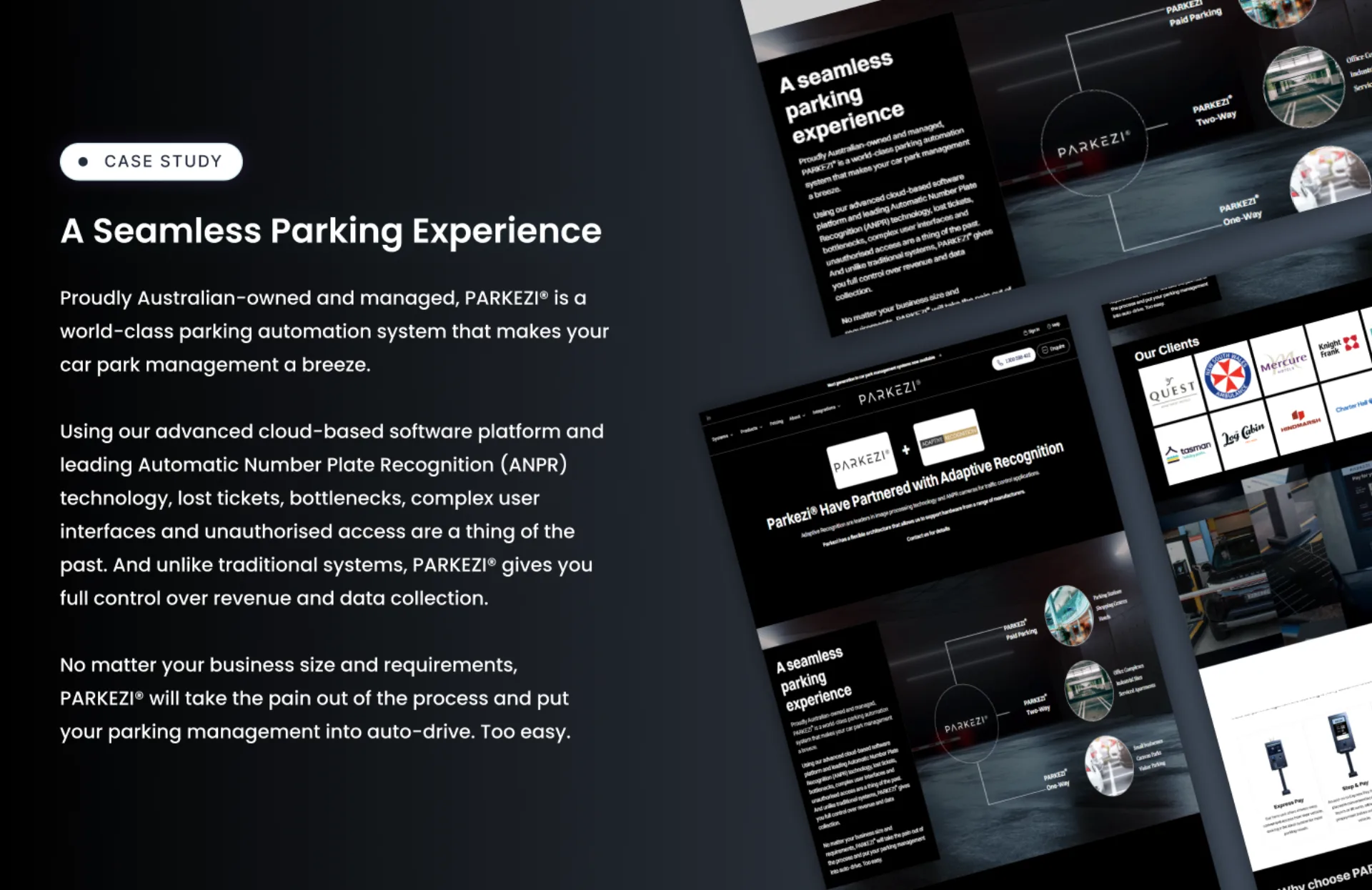
Car parks that run without staff: ANPR cameras read the plate, the gate opens, and the driver pays through Windcave or Stripe. We built the software and still maintain it.
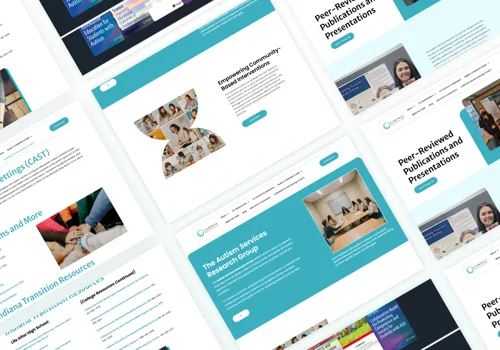
A platform for a PhD-led autism programme. Trainers, consultants, teachers and parents follow each child’s plan through surveys, consultations and coaching over a year.
From first call to a team shipping your roadmap.
Tell us about the product, who uses it and what the next three months need to deliver.
The people, the roles and how we would work with you, introduced on a call before you commit.
Slack, your repository and your task board. The team reads the code before changing it, and we agree which AI tools may see your code.
Your priorities, our delivery. Updates on Slack twice a week and a direct line to the founders.
Add a role, swap one or step back, with notice agreed up front.
Everything is committed to your repositories as it is written, so you can take it in-house whenever you like.
A monthly rate per engineer, set on a call once we know the roles and the seniority you need. The team is priced as a whole, in writing, before anyone starts.
Add or remove people with the notice we agree at the start. Book a call and we will price the team you describe.
Platform-level reviews of the agency — not cherry-picked project comments.
What I love about Team7 is that they always say: No worries, we can find a solution. This is the mindset of builders, creators, people who do not have fear, the partner you need if you want to excel.
Working with Mo and his team over the past year has been nothing short of exceptional. I was admittedly sceptical about investing such a large amount, but results exceeded every expectation.
Their responsiveness and willingness to take on our challenging task were impressive.
They are amazing and consistently exceed expectations. They go above and beyond what is asked of them and their communication is top notch, so much so that we joke that they never sleep. The best of the best.
Straight answers on how a dedicated team works.
Ask us something elseA group of engineers, usually with a designer and a lead, who work only on your product. You set the priorities. We choose the people, manage the work and take responsibility for delivery, and everything is committed to your repository.
With staff augmentation, an engineer joins your team and you manage their work. With a dedicated team, we manage the engineers and own delivery, and you steer the priorities. The monthly rate per engineer is the same either way.
As small as can deliver your roadmap. Some products need one engineer and a lead, others need a bigger team. We tell you the smallest team that fits on the first call, and you can resize with the notice we agree up front.
Yes, our engineers work with AI assistants every day and review everything those tools produce. You decide which AI tools may see your code, and we follow that. See our AI-native engineers page for how we handle quality and security.
Each engineer is priced as a monthly rate that depends on the role and the experience you need, and the team is quoted as a whole in writing. We do not publish a price list. Book a 30-minute call, describe the product, and you get the number. There are no recruitment fees.
We split working hours across the team to overlap with US, UK and Australian clients, and we agree the overlap for your team before anyone starts.
Tell Rehan or Nabeel directly. We will talk to the engineer, swap them, or wind down with the notice we agreed.
You do. At handover you get the Git repositories and written documentation. There is nothing tying the software back to us, so you can take it to an in-house team whenever you like.
Rehan, one of our two founders, is your day-to-day contact. You get updates on Slack twice a week and can see the code in your repository at any time. We split working hours between us to cover US, UK and Australian time zones, and we usually reply within an hour, sometimes the next morning.
A 30-minute call. We’ll tell you the smallest team that fits, who we would put on it and what it costs.