One idea or one broken flow, taken from a rough concept to a validated, designed solution you can build from. Discovery, the core user journey, wireframes, a clickable prototype, and testing with real users where it fits. Fixed scope, fixed price, two to three weeks, run remotely across your timezone.
One fixed price, agreed before we start. Get your number →
If one of these is where you are, here is what the sprint does about it.
You have an idea but no confidence it is worth a full design and build budget.
The sprint de-risks it. A designed, clickable version of the core flow, tested with real users, so the decision to build is based on evidence rather than a hunch.
The team keeps arguing about how a feature should work and nothing gets decided.
The sprint forces a decision. A structured process that turns opinions into one designed direction everyone has seen and pressure-tested.
A live flow leaks users and you are guessing at the fix.
We redesign that flow specifically. Driven by your drop-off data and constraints, tested against the current version, with a findings report on what changed and why.
You need something concrete to show a board, an investor, or a stakeholder.
You get a real prototype. A high-fidelity clickable flow that demonstrates the product intent, far more convincing than slides or a wireframe.
Everything here is aimed at one outcome: knowing whether and how to build the thing.
Focused sessions with your team to define the problem sharply, the user we are designing for, the constraints, and what a successful outcome looks like. Most sprints narrow the question here, which is the point.
The core user journey mapped end to end: entry points, decision points, the moments that make or break the experience. This is where we agree what the sprint will actually design.
Low-fidelity screens for the flow and the context around it, resolving the structural questions before pixels. One direction chosen and agreed, not three options left open.
The core flow designed to a real visual standard in Figma, including the states that matter: empty, loading, error, success. Wired into a clickable prototype covering the primary journey.
Five moderated sessions with people who match your target user, watching them use the prototype. A findings report with what worked, what confused them, and what we changed as a result.
A short written summary: proceed as designed, proceed with changes, or rethink. Plus a rough scope and cost for the full design and build if you want to continue, so you can make the next decision quickly.
Run remotely as a few focused sessions with design work between them. Your team joins where their input matters.
A short call to agree the one question the sprint will answer and who needs to be in the room. If user testing is included, we brief a recruiter and line up five target participants so week three is ready to run.
Two or three working sessions with your team to sharpen the problem and map the core journey. We leave week one with an agreed definition of exactly what the sprint will design, and the success criteria we will judge it against.
We resolve the structure in low-fidelity wireframes and review them with you, deciding layout and hierarchy before any visual polish enters the conversation. One review session mid-week keeps it on track.
We design the core flow at high fidelity with your brand and real content, then build the clickable prototype that a user can complete a task in. This is the artefact week three tests and the build team estimates against.
If testing is included, five moderated sessions with target users, then we fold the findings into the prototype and write the recommendation. If testing is not included, week three is design refinement and the recommendation, and the sprint is two weeks.
You get the Figma files, the prototype, the findings report, and the written recommendation with a rough build scope and cost. Everything is yours, whether you build with us, build in-house, or decide not to build.
Agreed before we start. No scope creep, because the scope is the sprint.
Scoped to your problem · 2 to 3 weeks
If the sprint validates the idea, it flows straight into full design and a build, with the core flow already de-risked.
30 minutes. Tell us the idea or the flow. We will tell you if a sprint is the right way to test it.
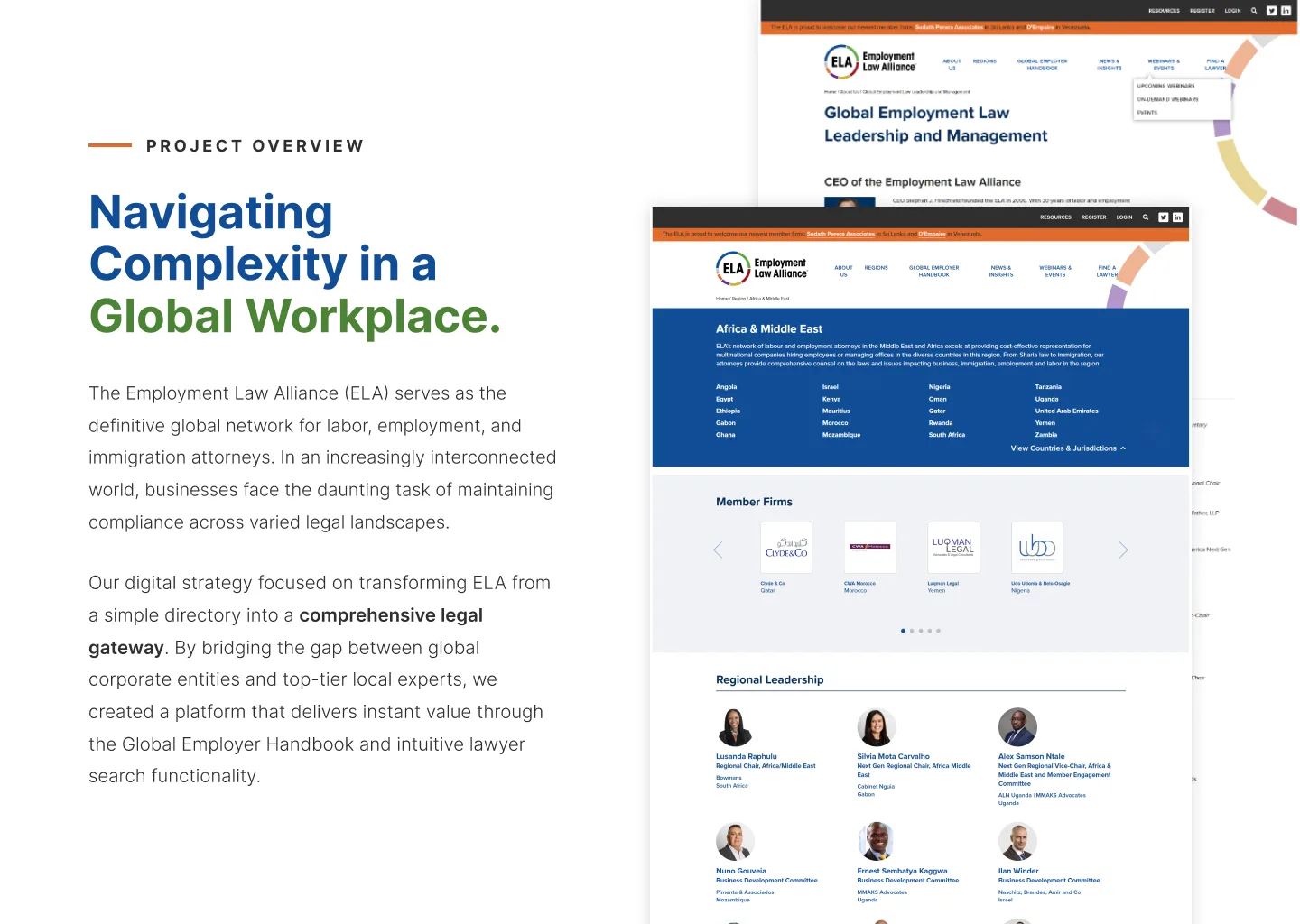
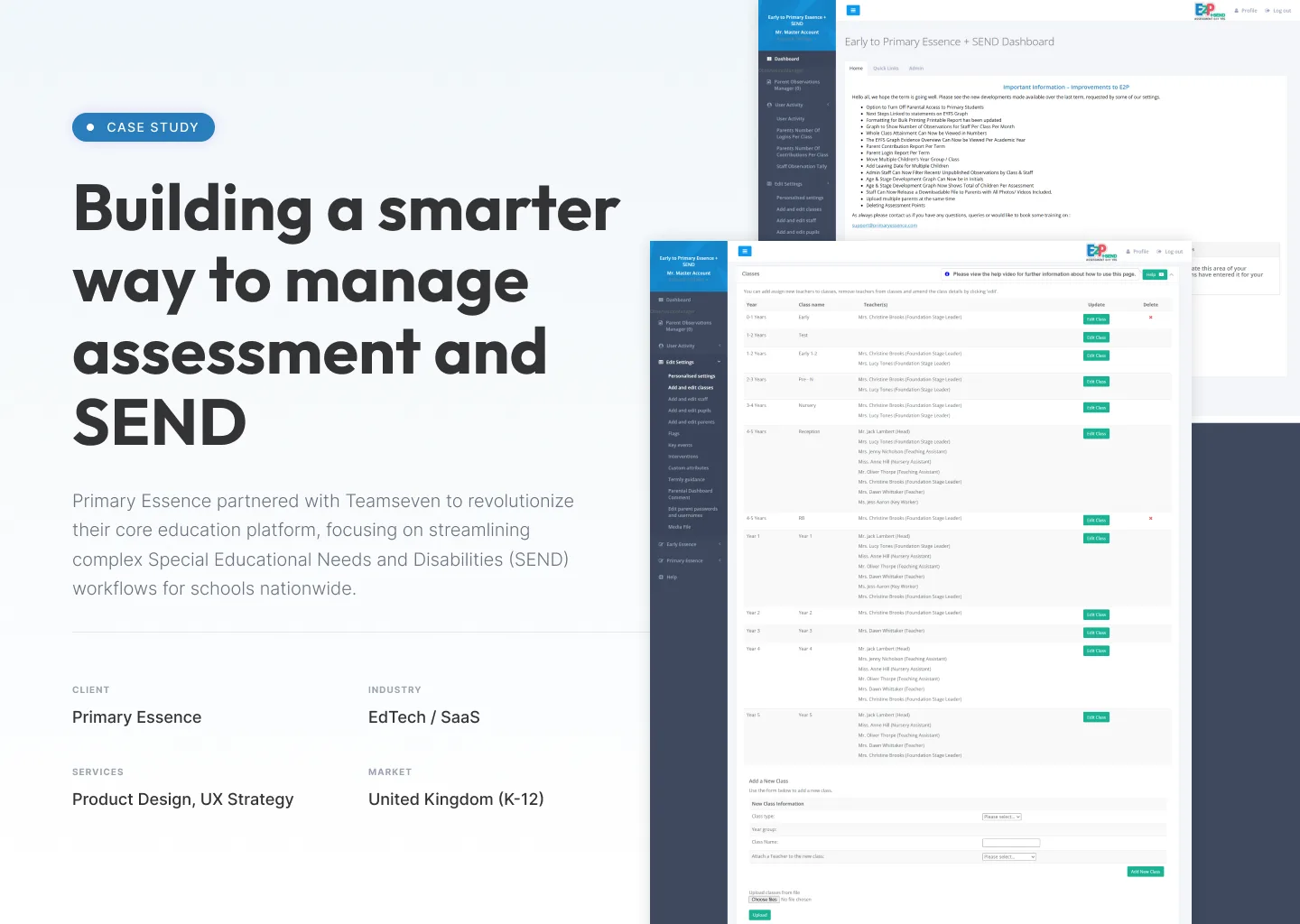
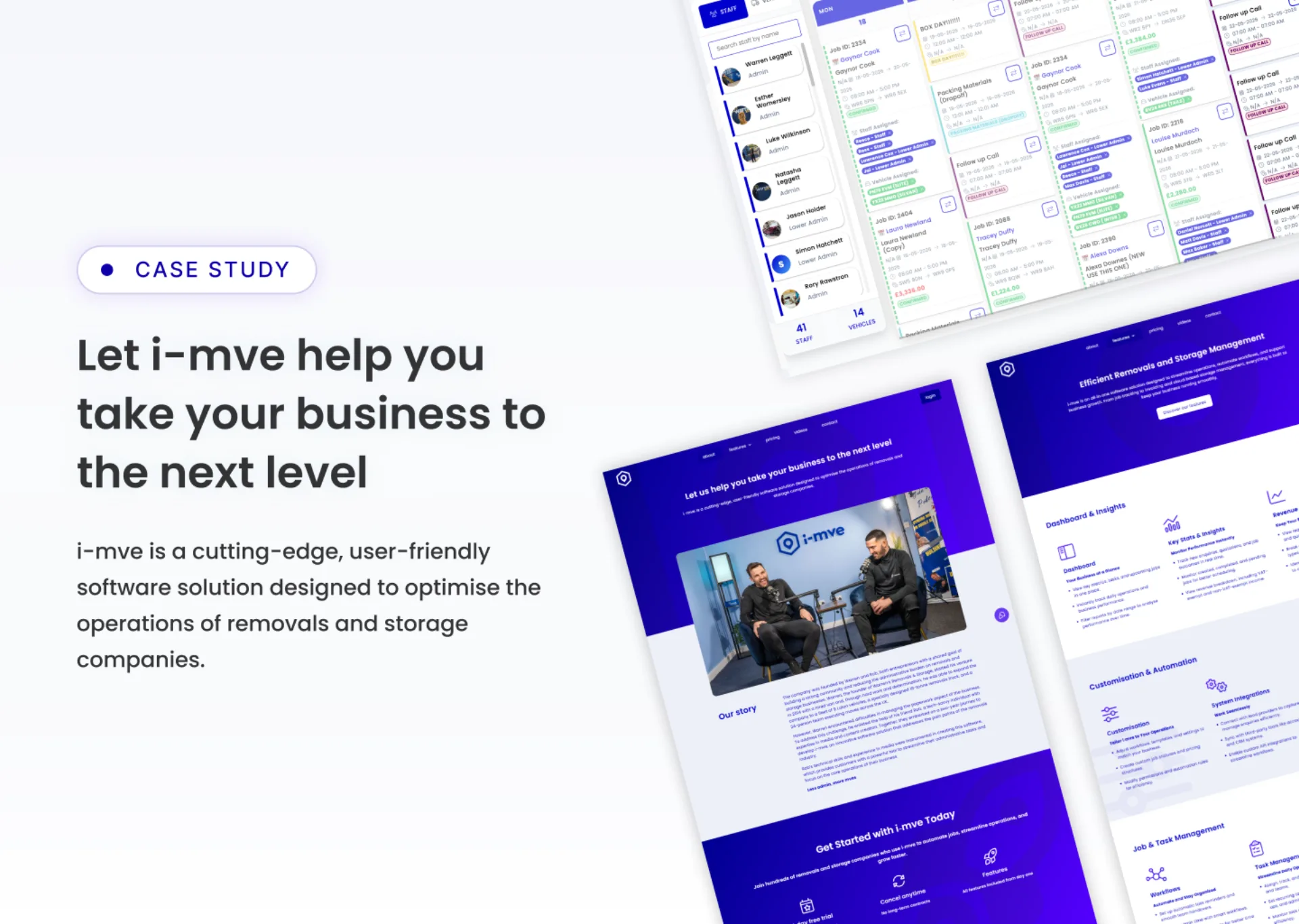
Our designers and engineers work as one team, so a sprint prototype is designed to what Angular, React Native, and Flutter can actually ship, not a concept that falls apart at build. We have designed products for a smart parking platform in Australia, EdTech in the UK, and clinical research in the US, and designed our own AI products, Tully AI and Mebag. A Fiverr Vetted Pro agency, 600+ projects, 5.0 across 353 reviews.
Straight answers on what a sprint is, what you get, cost, timing, and what comes after.
A product design sprint is a fixed-scope, time-boxed engagement, usually two to three weeks, that takes an idea or a problem area and produces a validated, designed solution you can build from. It covers discovery, mapping the core user journey, wireframes, a high-fidelity clickable prototype, and where it fits, testing that prototype with real users. The output is a set of Figma files and a findings summary, not a vague direction. Our version is adapted from the Google Ventures design sprint, run remotely across your timezone.
A full design engagement designs the whole product: every screen, every state, a complete design system. A design sprint is deliberately narrow. It pressure-tests one idea or one problem flow fast, so you know whether it is worth a full design and build before committing that budget. Many clients run a sprint first, then move into full design and development with the risk already reduced.
A Figma file with the core flow designed at high fidelity, including the key states such as empty, loading, error, and success. A clickable prototype covering the primary journey. Wireframes for the wider screens around it. If user testing was included, a findings report with what worked, what did not, and what changed as a result. And a short written recommendation on whether and how to proceed. Everything is yours to keep and build from, with us or with another team.
Two to three weeks depending on whether user testing is included, run as a single fixed price agreed before we start. There is no scope creep because the scope is the sprint. If the sprint surfaces a bigger problem worth solving, that becomes a separate, separately-priced engagement that you decide on afterwards.
No. We run design sprints remotely, structured around a few focused working sessions over video call rather than one locked-down week in a room. Your team joins for the sessions that need their input, mainly discovery and the review of the prototype, and we do the design work between them. It fits around a normal working week.
Yes, and it is a good use of a sprint. The interaction design of an AI feature is the hard part: how to show confidence and sources, how to handle a wrong answer, where to keep a human in the loop, and how to surface the feature through actions people already understand rather than a blank prompt. A sprint lets you prototype and test that before committing to the build. Our own products, Tully AI and Mebag, were designed with these questions front and centre.
Three common paths. You proceed into full design and development with us, with the core flow already validated. You take the Figma files to your own engineering team or another vendor and build from them. Or the sprint tells you the idea needs rethinking, and you have saved a full build budget finding that out. We give you a straight recommendation, and there is no obligation to continue with us.
You do, completely. The Figma files, the prototype, the research findings, and the recommendation are yours. There is no lock-in and nothing about the sprint that ties the work back to us.
Yes. A sprint is just as useful for a problem area in a live product: a checkout with a high drop-off, an onboarding people abandon, a feature nobody uses. We take the problem, the data you have, and the constraints of your existing product, and design and test a better version of that flow specifically.
Yes. We run design sprints for clients across the United States, United Kingdom, and Australia, scheduling the working sessions within agreed real-time overlap hours for each region. We have designed products for a smart parking platform in Australia, EdTech in the UK, and clinical research in the US.
Platform-level reviews of the agency — not cherry-picked project comments.
What I love about Team7 is that they always say: No worries, we can find a solution. This is the mindset of builders, creators, people who do not have fear — the partner you need if you want to excel.
Working with Mo and his team over the past year has been nothing short of exceptional. I was admittedly sceptical about investing such a large amount — but results exceeded every expectation.
Team 7 is the best group of developers on Fiverr — and I promise it is not even close. The software they have developed has changed our company for the better.
30 minutes. No slides. We will tell you honestly whether a design sprint is the right way to test it, and what it will cost.