What We Learned Building and Running Our Own SaaS Products
Building for clients and running your own product are different jobs. What TableTap, Slotwise and QRPixel taught us about onboarding, support and pricing.

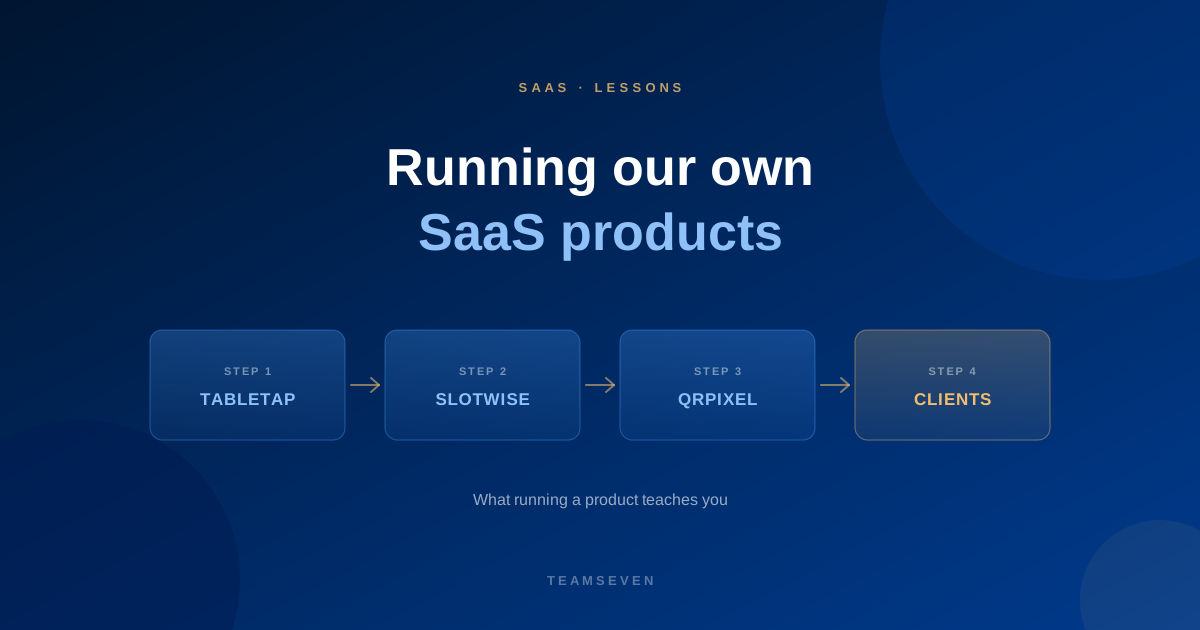
For most of our history we built software for other people. Then we started building our own: TableTap, a restaurant platform for tables, QR menus and reservations; Slotwise, a booking platform for doctors, physiotherapists and dentists; and QRPixel, a link-in-bio and branded QR code platform with its own analytics.
Running your own product is a different job from building one for a client. These are the lessons that changed how we build for clients too.
1. The core is smaller than you think
The part of each product people rely on every day is a small core: in TableTap, live tables and reservations; in Slotwise, a booking link that shows real availability; in QRPixel, the page and the QR code. Everything around that core matters less than getting the core right.
That's why we push clients to start with the smallest version real users can sign up to and pay for. See MVP vs full product: what to build first.
2. Onboarding is the product
If a new customer can't get set up without talking to you, you don't have a product yet, you have a service. We learned to treat onboarding, like importing data, inviting the team and setting up the basics, as a core feature, not an afterthought.
3. Support shows you what to build next
The questions customers ask are the clearest roadmap you'll get. A question that keeps coming back usually points at a confusing screen, not a confused customer.
4. Pricing is harder than building
Deciding what each plan includes, how trials work and what happens when a card fails took more thought than many features. Billing needs to run itself, or it quietly eats revenue. We wrote about this in Stripe subscriptions: trials, upgrades and failed payments.
5. Analytics you own are worth it
QRPixel records every click and scan in its own first-party analytics. Owning that data, instead of relying entirely on third-party tools, meant we could answer our own questions and our customers' questions directly.
6. Every change affects everyone
With a multi-tenant product, one release reaches every customer at once. That made us much more careful about testing, gradual rollouts and backwards-compatible changes. See CI/CD pipelines for SaaS.
7. Saying no is a feature
The hardest discipline in running a product is declining good ideas that don't fit. It's also what keeps the product simple enough to use.
How this helps our clients
When a client wants to turn their own system into a product, like i-mve did in removals, we've been through the same decisions ourselves. That's the practical value behind our SaaS development and internal tool to SaaS services.
Why does a development agency run its own SaaS products?
It keeps us honest. Running TableTap, Slotwise and QRPixel means living with our own decisions about onboarding, billing and support, which makes our advice to clients more practical.
What was the biggest surprise running a SaaS?
How much of the work isn't features: onboarding, billing, support and careful releases take as much thought as the product itself.
Can I see these products?
Yes. TableTap, Slotwise and QRPixel are live, and each has a page on our site.
Stay connected
Build notes, launches, and new articles from the Teamseven team.